Case Study
Case Study
Vive Cafeto
The following is a brief summary of a year-long thesis project I undertook as part of a multidisciplinary design team in my last year at CEDIM
Revitalizing Local Coffee
Producers via Sustainable Design
The following is a brief summary of a year-long thesis project I undertook as part of a multidisciplinary design team in my last year at CEDIM
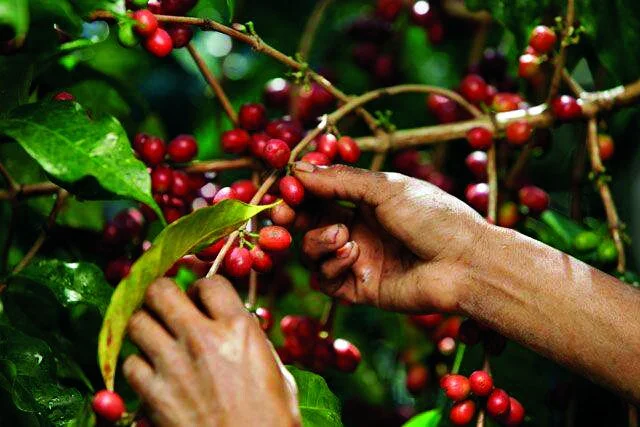
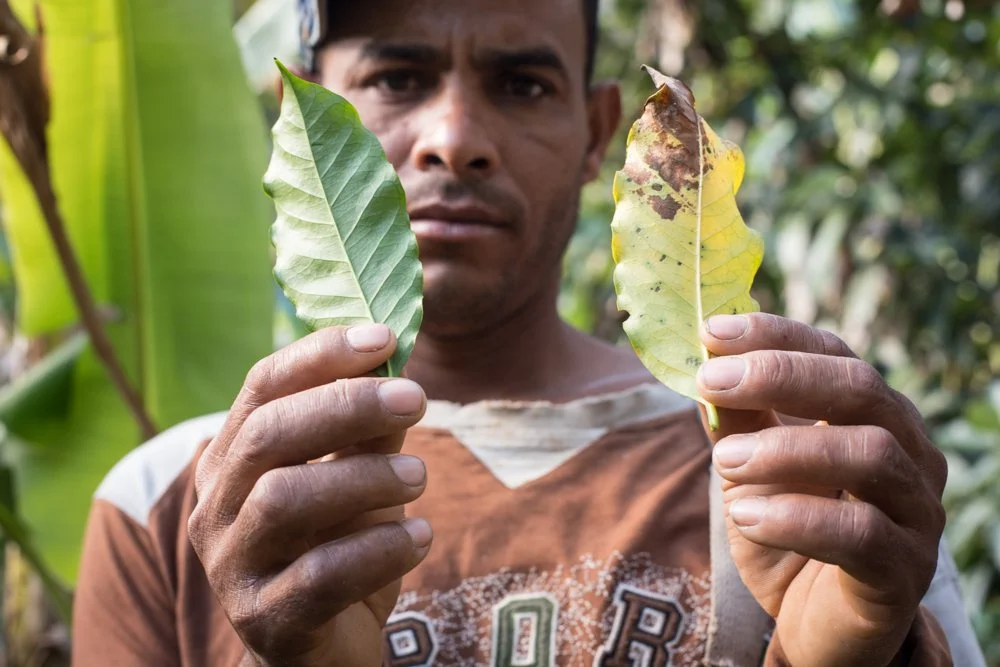
In 2010, a devastating scenario emerged in the world of coffee in Mexico, when a plague called “Roya” impacted the state of Chiapas and destroyed more than 60% of coffee production, putting multiple coffee companies out of business. That's when Vive Cafeto was born as an initiative of GARCOMEX, one of the largest coffee roasters in Mexico. Vive Cafeto arose from the need to help Mexican coffee growers renew coffee plantations affected by the plague.
The main objectives of this project were to achieve sustainable development within the impacted communities, improve the quality of life of affected families, promote the production of local varieties of coffee in Mexico, and show these communities that using the wood from dead coffee trees could create an alternative income stream.
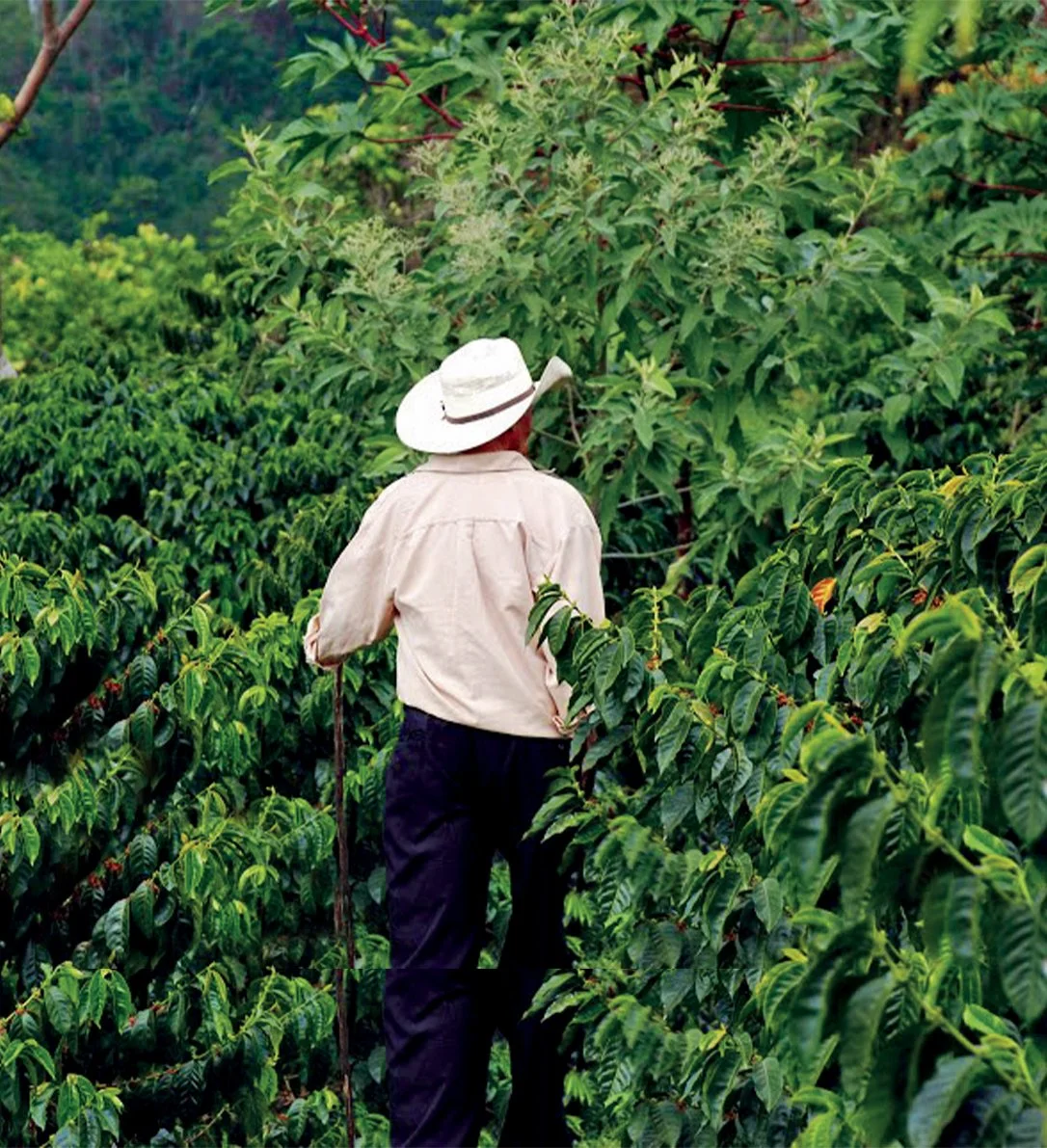
This was the first time that producers from an ejido (a piece of land farmed communally under a system supported by the state) in the state of Chiapas were invited to participate in the renovation of their coffee plantations affected by the plague. The producers of the ejido were advised by external engineers and technicians for three years who were aware of the evolution of the plant and provided new techniques to plant and care for varieties. These techniques were previously unknown to these coffee farmers.
In Mexico, coffee is synonymous with identity and tradition. It underpins an economy of three million people linked directly and indirectly by the production, transformation and commercialization process.
The economic impact and the social and ecological benefits that coffee produces in Mexico are of considerable importance. The product represents 5% of GDP, both because of the strong income obtained from exports and because of the thousands of jobs that this crop generates.
-
Multiple internal and external factors affect the productivity of the coffee business. The coffee communities are harmed by setbacks that are beyond their control, forcing them to deal with problems they have never faced before with limited resources and knowledge. Although government programs aim to help coffee growers when faced with adverse situations, the results are not always favorable since the solutions are not focused on addressing the root of the problem. Rather, these solutions temporarily contain the issues, resulting in the original problem lingering and worsening over time.
-
Chiapas is the leading coffee-producing region of Mexico. Coffee is a product that demands large amounts of labor and has been subjected to severe crises due to the low international price. Many farmers have needed to leave their fields in order to pay debts and have a minimum income to ensure the welfare of their families.
New generations do not see coffee as a reliable source of income. Their parents have taught them that there is no future in coffee growing, so young people tend to pursue more profitable careers. Previously, plots were seen as a part of the heritage of coffee-growing communities. These communities were proud because there was a legacy to be cultivated generation after generation. Currently, the coffee fields are seen as a burden, and the land is neglected or used to grow different plants. Furthermore, during the harvesting season, landowners must hire workers from Guatemala to make up for the shortage of coffee harvesters within the communities. Ultimately, hiring immigrant labor reflects the broader trend that local communities no longer view working coffee fields as a viable source of sufficient income. Instead, many choose to leave their communities to look for better-paying work.
-
The decline in the price of coffee internationally is another problem facing coffee-growing communities, as the price follows the trends of commodity markets, which operate in New York. The ILO (International Labor Association) highlighted in its report that the average price of different types of coffee has continued to decrease starting in the last quarter of 2014.
After researching the problems faced by these communities, 5 possible objectives for our project were identified:
Reporting the benefits of organic coffee - research has shown that coffee has health benefits, so it is important to further educate consumers who may still view it as an unhealthy product. Such education will help promote coffee consumption both inside and outside of Mexico.
Raise awareness of the value of Mexican coffee and its economic importance to the country.
Observe, investigate and take advantage of the resources and opportunities that communities in Chiapas can use to generate income and help create a way of life that is not one hundred percent dependent on a successful coffee harvest. We must provide alternative income channels, such as wood, from the coffee growing process. Creating new income streams will help alleviate the crisis.
Encourage farmers to enhance their skills and creative development to generate non-agricultural sources of income, enabling them to develop new economic activities. We should also encourage them to take advantage of underutilized existing tools and resources to increase household incomes and improve the quality of life in these communities.
Our project methodology is based on the innovation design process presented in Vjay Kumar's book 101 Design Methods. One first observes and discovers the tangible factors of the situation or problem, later creating abstractions and conceptual models that rethink the problem in new ways.
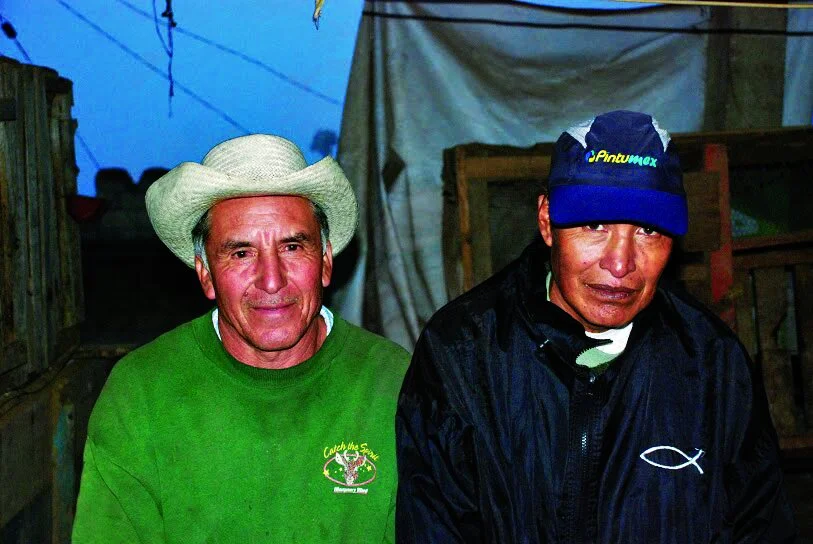
We went on an immersion trip to discover the way of life in these communities: where they live, work, and socialize. To learn more about the activities carried out by a coffee farmer, we observed the daily routine of one of the farmers, Mr. Jose. Through individual interviews with producers, we gathered information about their tastes, daily activities, beliefs, traditions, shortages they faced, etc. Following the human-centered design method guidelines, we continued to visit and learn about the households of the coffee farmers, interviewing individual family members on our visits.
By embedding ourselves within the community, we discovered patterns within the community and observed common customs in different homes.
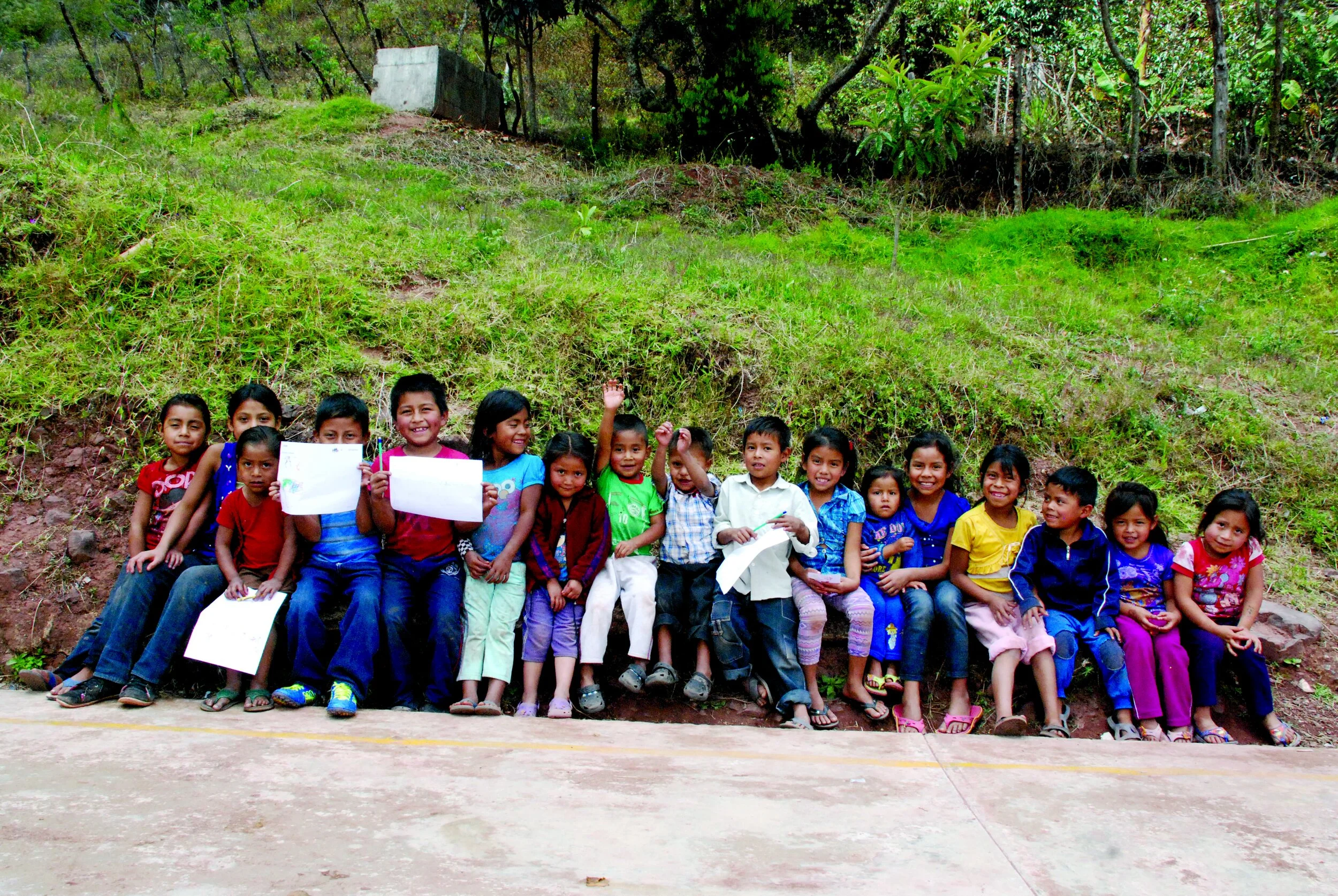
The objective of our first encounter with the community was to get to know 13 families from Talquian and to understand their needs, desires, and wishes. We showed them a product made with coffee wood. The coffee wood product generated interest in and admiration for a natural resource that was present in their community but had never been used in such a way. The community was very excited to learn how to build products from waste that they normally burn and use as fuel for cooking.
Our findings became design opportunities through formulating rhetorical questions aimed at triggering a brainstorming process that begins the exploration of new concepts. We classified the most relevant topics for the project based on the five human factors: social, physical, cognitive, emotional, and cultural. Some of these design opportunities are discussed below.
-
Relationship with the government
How the government approaches community visits could be improved. There is a lack of tact displayed in communication by the government. Furthermore, unfulfilled promises have created a distrust on the part of the inhabitants towards the government officials.
Opportunities
Make the government aware that this is an attractive project for them, one which also helps the coffee growers.
-
Within the community, religion is of utmost importance to the inhabitants. It provides the daily motivation to carry out their work. However, leaving everything in God’s hands and trusting blindly in religion tends to create a passive routine. Such a routine impedes innovation and feeds the fear of an uncertain future.
Opportunities
Create new practices that build on existing ones to improve the quality of life for the community.
-
Within the communities, we observed a lack of family planning. Each house has at least five family members, creating an increased resource burden that makes life in the countryside more difficult and increases the pressure on the head of the family to generate sufficient income. As a result, primary earners often turn to criminal activities or migrate for better-paying work.
Opportunities
Create a strategy to inform and educate people about family planning.
-
Community members support each other by working together and pooling resources for the common good. In these types of initiatives, we observed how community members sought financial independence through teamwork. However, the lack of organization and of a leader to encourage communication amongst members hinders the community from specifying a functioning system. Therefore, few members are involved in or benefit from these cooperative initiatives.
Opportunities
⇝ Build trust in projects and get the community involved.
⇝ Let them see that they can make progress independently, without depending on third parties.
⇝ Develop a community system to complement the coffee production process of individual community members.
⇝ Generate a more effective system for the exchange of products within the community.
⇝ Motivate them to see their talent as a source of work.
⇝ Facilitate communication between communities.
-
Migration to the US is seen as the only way to get ahead in life. The idea is that migration will solve all of their problems, which in turn has generated a high migration rate and consequent abandonment of the coffee fields.
Opportunities
⇝ Develop a strategy to promote business development.
⇝ Change or improve the attitudes of community members, so they feel more motivated to take advantage of opportunities at home.
⇝ Take advantage of their abilities to generate an alternative source of income that is sustainable within the community.
⇝ Change the view that producing coffee is an unprofitable business.
-
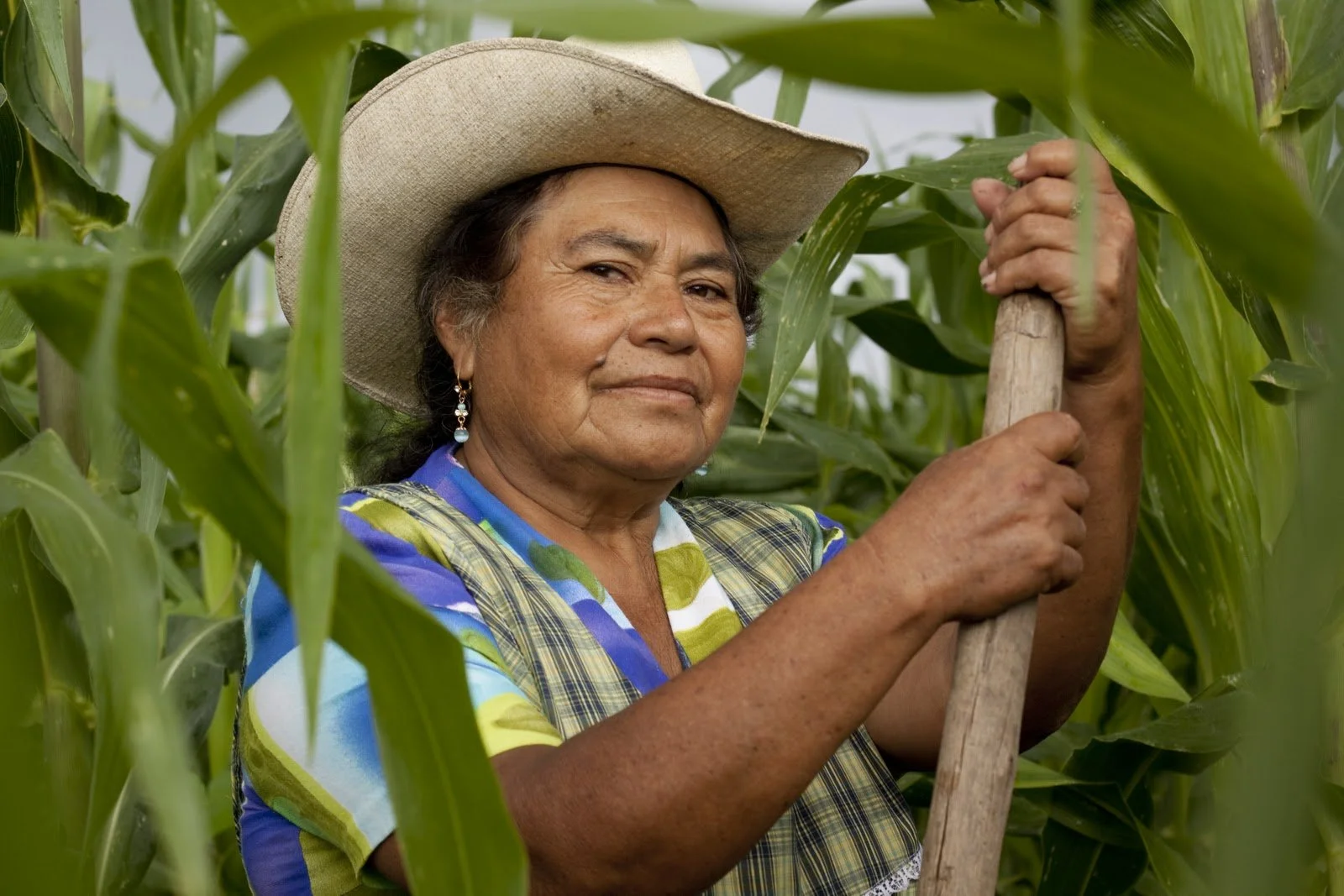
Within the community, there is an interest in obtaining and developing new knowledge, but the population lacks the tools, opportunities, or programs necessary to do so. The knowledge some inhabitants did have was obtained during their time working in the United States. Women are interested in generating a source of income that allows them to work from home without neglecting their families.
Opportunities
⇝ Encourage all community members to develop talents or acquire new skills.
⇝ Develop a business based on wood.
⇝ Encourage artisans to improve the quality of their designs and find an effective production line.
⇝ Facilitate access to new knowledge through workshops, programs, and activities that help improve existing techniques.
⇝ Encourage all community members to obtain new skills and hone new techniques.
-
The production and sale of coffee represent the only source of income for coffee farmers. Such an income stream is unreliable as coffee is susceptible to various diseases or pests, especially when grown organically. The community is interested in creating a better product that can compete in larger markets. Such a product would provide increased income.
Small producers seek to start new businesses, but these opportunities are never realized because of a lack of guidance and knowledge.
Opportunities
Expand inhabitants’ horizons so that they can visualize new business ideas for themselves.
-
Access to basic services has improved in recent years. Community members have self-made water pipes. However, the community’s existing infrastructure does not suit the needs of the inhabitants. For example, coffee growers do not have modernized tools for better performance and ease of coffee production nor access to effective communication with coffee collection centers and NGOs that would allow them to discover new forms of cultivation or pests.
Opportunities
⇝ Offer an alternative coffee drying system for smaller spaces.
⇝ Create a plan with the government to develop basic infrastructure and services.
⇝ Implement communication services so that farmers are aware of market prices and can adjust production accordingly.
-
The plague of rust left hectares of dead coffee plantations from which wood could be obtained. Subsequently, groups of coffee growers began making objects out of coffee wood. These objects were merely functional, as the community lacked the necessary tools to add certain finishes to the wood. Without these finishes selling the wood as craft objects is difficult.
Opportunities
⇝ Use the community’s natural resources to develop functional products that can represent a new source of economic income.
⇝ Design a multifactor workshop where community members could create wood products and work with other natural resources.
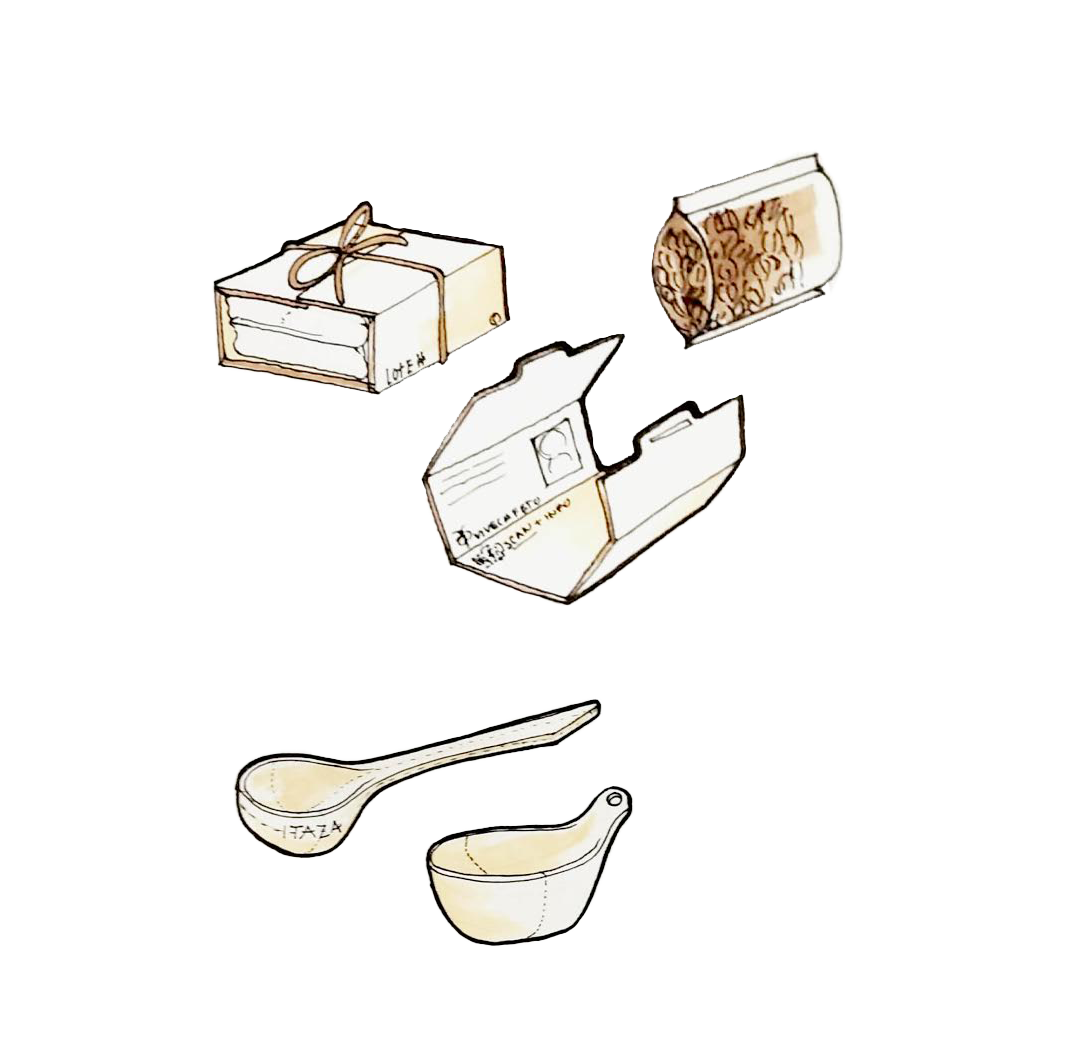
⇝ Transform coffee wood into useful products for the homes of coffee farmers.
⇝ Create effective sales lines for artisans in the community.



Conclusion
We were a multidisciplinary group comprised of students from different fields. Industrial design students taught coffee farmers how to manage the wood and transform it into a physical product. Marketing and graphic design, which I was part of, worked more directly with Garcomex and Vive Cafeto to create a brand redesign and raise Mexican consumers’ awareness of the product. In doing so, we generated interest in the development of organic coffee and the stories behind the process of this product, from when it is planted until it reaches the hands of the consumer. The ultimate goal was to achieve a greater consumption of Mexican coffee within our country and develop an appreciation for what this product really represents, a quality product representative of the local economy and the work of many farmers.
People from the community (coffee farmers and their families) learned how to cut, sand, and seal the wood pieces that were sold to generate donations for Vive Cafeto. Codesign workshops helped bring the community together and allowed men, women, and young children to work together on carpentry activities. New products were created with coffee wood: keyrings, flower pots, and lamps are just a few examples. The community is currently working with wood and experimenting with new designs. They have created a new identity for the community and are taking care of their new coffee plants.